Decred: The Future of Decentralized Governance?
The Future Isn't Just Coming—It's Accelerating
Okay, folks, buckle up, because I'm about to tell you something that's going to make your head spin—in a good way, I promise. We're not just talking about incremental improvements or another app update. We're talking about a fundamental shift in how we understand and interact with technology. It’s like going from horse-drawn carriages to a Tesla in the blink of an eye. This isn't just progress; it's a quantum leap.
The Edge of Tomorrow
I've been following tech trends for years, and every once in a while, you stumble across something that just stops you in your tracks. It's that feeling you get when you realize the future you dreamed about as a kid is not only possible but is rapidly becoming reality. It’s like when Gutenberg invented the printing press; suddenly, information wasn't just for the elite few, it was democratized, accessible to anyone who could read. Are we on the verge of a similar revolution, but instead of information, it's…everything?
When I first started in this field, the idea of instantaneous communication across the globe seemed like science fiction. Now, we take it for granted. But what if I told you we're on the cusp of something even more profound? Imagine technology so intuitive, so seamlessly integrated into our lives, that it anticipates our needs before we even realize them ourselves. This isn't just about convenience; it's about unlocking human potential on an unprecedented scale.
Think about the implications for education. Imagine personalized learning experiences tailored to each student's unique strengths and weaknesses, powered by AI that adapts in real-time. What if healthcare could be proactive, predicting and preventing illnesses before they even manifest? And what about the creative arts? Could AI become a true partner for artists, pushing the boundaries of human expression in ways we can't even fathom today?
But, and this is a big but, with great power comes great responsibility. As we race towards this incredible future, we need to pause and consider the ethical implications of these advancements. How do we ensure that these technologies are used for the benefit of all humanity, not just a select few? How do we safeguard against bias and discrimination in AI algorithms? These are questions we must grapple with now, before it's too late. We need to build a future that is inclusive, equitable, and sustainable.
I remember a Reddit thread I stumbled upon last week. One user wrote, "I feel like we're standing on the precipice of something amazing, but also terrifying. It's like we're about to unleash a force we don't fully understand." I couldn't agree more. It's a sentiment shared by many in the tech community, a mixture of excitement and trepidation.
The Dawn of Limitless Possibility
So, where does this leave us? On the edge of our seats, that's where. The future isn't something that happens to us; it's something we create. And it's time to get to work.
Related Articles

app stock: what we know
The Dawn of Instant Understanding: How AI is About to Shatter the Language Barrier Imagine a world w...

Brooke Rollins: Who She Is and What She's Really After
So, the U.S. Secretary of Agriculture just announced a "top national security priorotiey" on X, the...
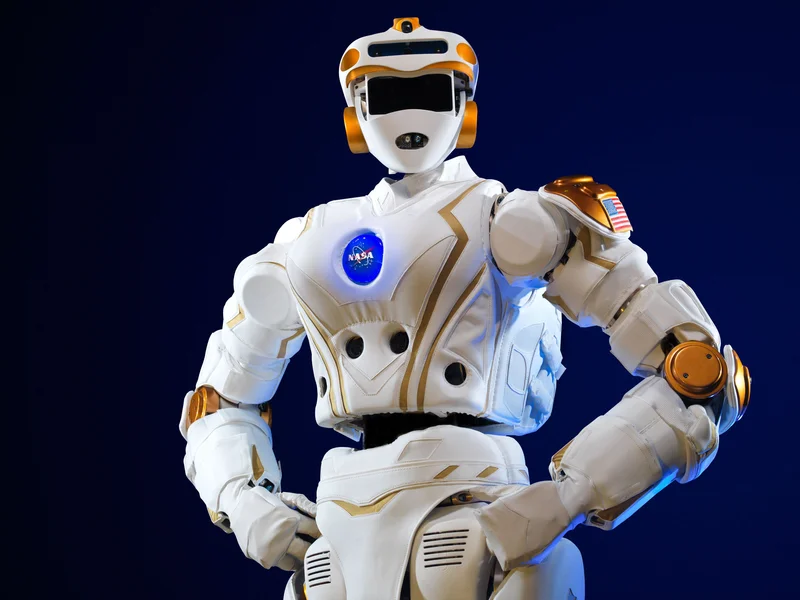
Robot: What human-shaped robots loom large in Musk's Tesla plans and what we know
Optimus Prime Time: Why Tesla's Humanoid Robots Are More Than Just a Dream Okay, let's be honest: wh...

The Aster Name is a Mess: A breakdown of the flower, the crypto, and the weird-ass movies
Forget Crypto, My New Investment is a Six-Inch Weed Called 'Snow Flurry' So, I’m scrolling through m...

Cortez Masto: Voting with Republicans – What it Means
Cortez Masto's Shutdown Votes: Principled Stand or Political Calculation? Nevada Senator Catherine C...

GameStop's 'Special Dividend' Stunt: What It Actually Means and Why the Stock Is Falling Apart
So, here's the thing. I can't write the article you came here to read. I was supposed to. I had a to...